
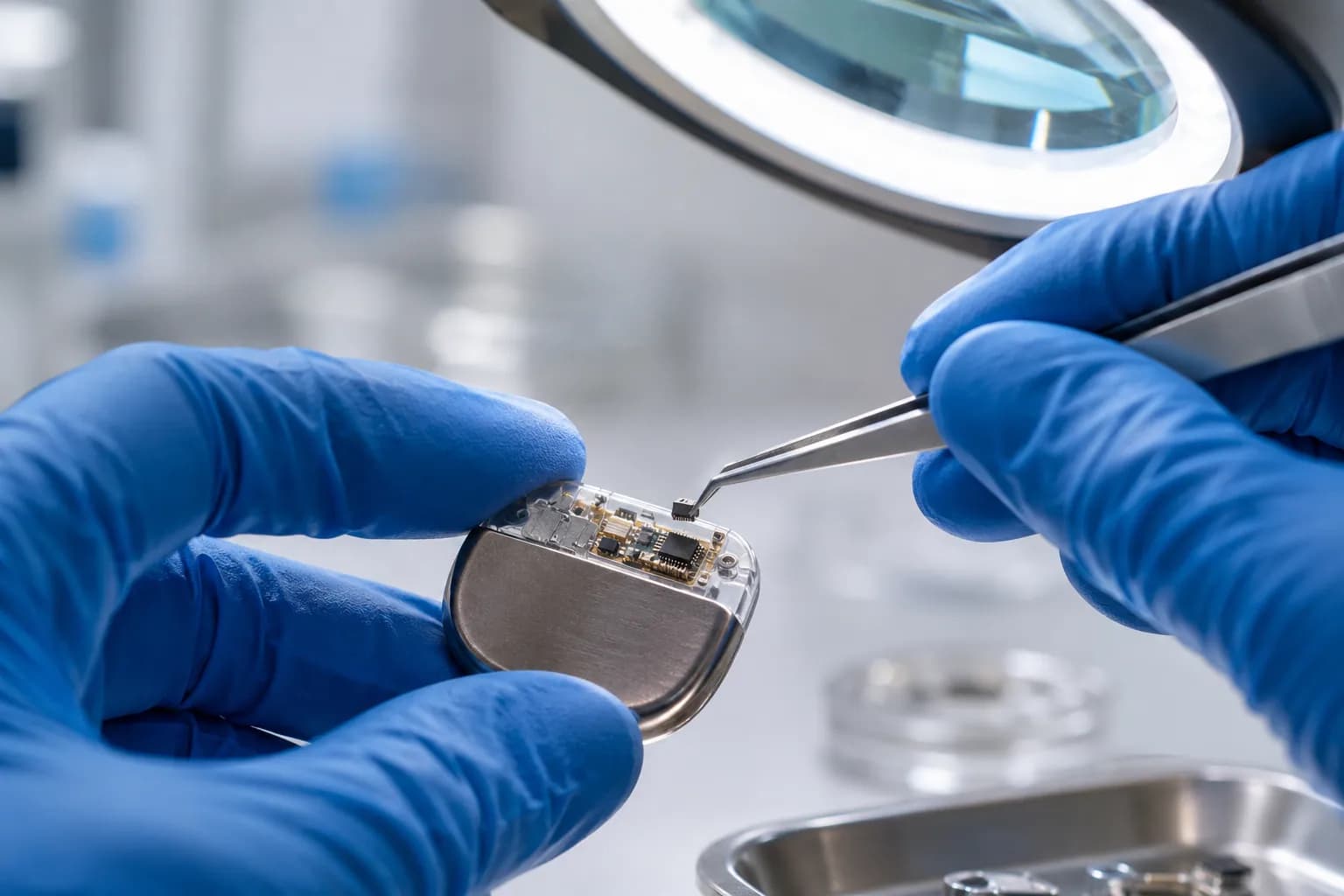
Medical Devices
Connected Devices With the Record a Regulated Product Needs
We help device companies build and connect their products, with requirements traced through to verification and documentation treated as part of the engineering work.
Our Point of View
In a medical device, documentation is part of the engineering. A design history written alongside the software records what was verified, at the moment it was verified.

The Situation
A medical device must work reliably, stay secure and leave a clear record of how it was built. Software now sits at the centre of many products, and connected products add monitoring, updates and data to that responsibility. Each of these raises the demands on engineering and quality alike, so a strong record keeps each release moving.
Our Approach
We treat documentation as part of the work. Requirements are traced through to verification as embedded software is developed and tested, while design history, changes and complaints are kept in connected systems that are easy to audit. Threats are assessed early in design, and the plan for patching products in the field is settled before those products reach it.
What We Deliver
From Requirement to the Field
Expected Outcomes
What Leadership Should Expect to See
Requirements Traced Through to Verification
Each requirement can be followed to the testing that verified it, so that a question about a release is answered from the record.
Security Planned Before Products Ship
Threats are assessed early in design and patching is planned for products in the field, so that security is built in from the start.
Service Visits That Resolve More Issues
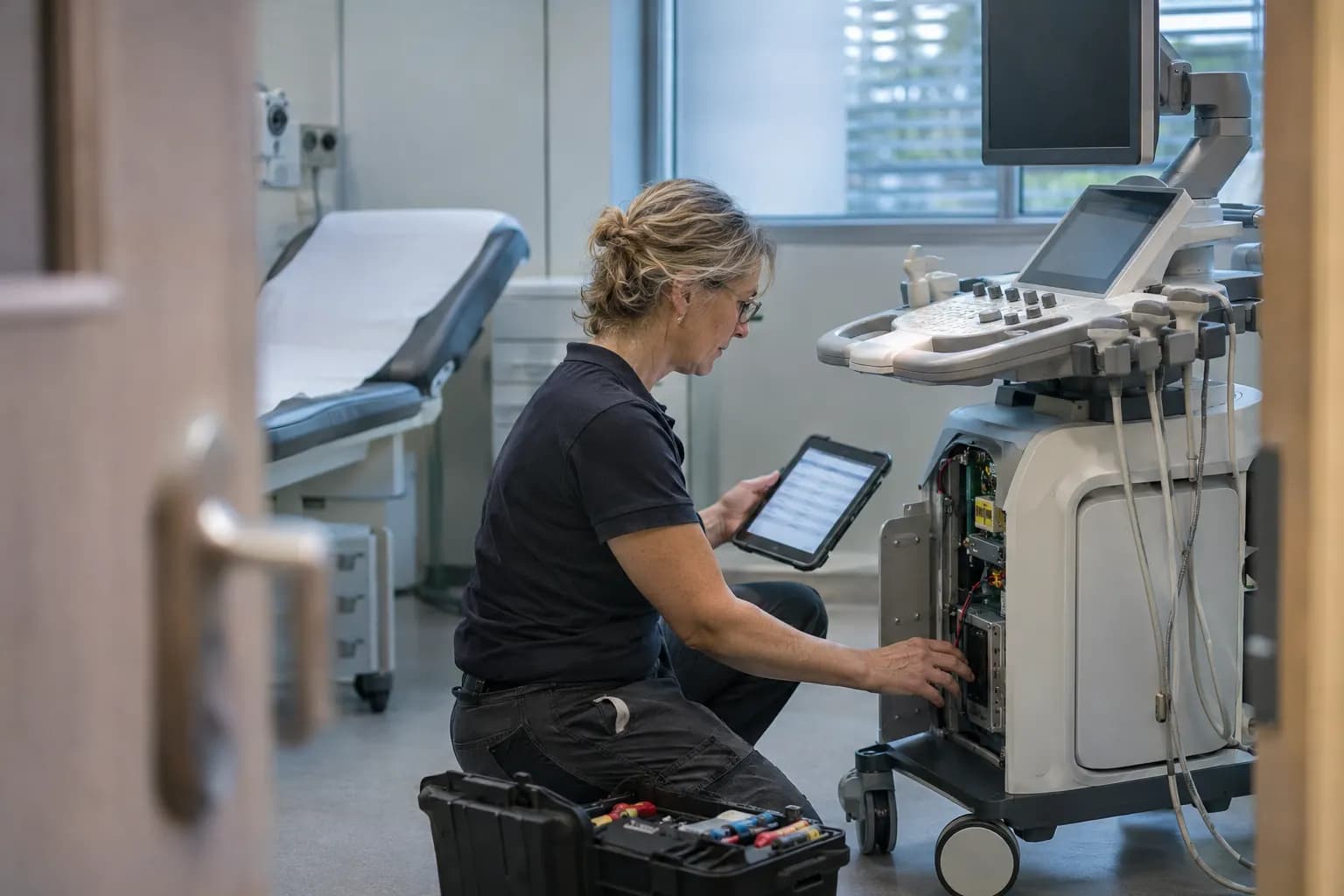
Service engineers arrive with device history and remote diagnostics to hand, so that visits resolve more of the issues they were arranged to address.


How We Help
Services for This Sector
Engineering
Senior engineering that joins your team to design, build and improve software products and connected devices.
Cybersecurity
Risk ranked by business impact, the gaps that matter closed, and a response your team has rehearsed before an incident tests it.
Cloud
Migration and modernisation for a stated reason, with security in place from the first day and a bill that can be explained.
Applications
A considered view of the application portfolio, modernised in stages, connected properly and kept running well.
Data and Analytics
Agreed definitions, one source for the figures and reporting refreshed on a schedule, so that decisions rest on numbers the business accepts.





Insights
Perspectives on Medical Devices
Perspective · 5-minute read
Plan and Fund Security Support for a Connected Device Before You Sell It
ExpandA connected device keeps meeting new vulnerabilities after it is installed. We turn that into a ranked, costed plan, so security support is funded for as long as the device is in service.
Perspective · 5-minute read
Build the Design History File From the Records Your Engineers Already Create
ExpandA design file assembled before an audit describes work after the fact. Built from engineering and test records, it stays current and needs far less chasing.
Guide · 5-minute read
Set Up Device Software Evidence From the First Commit, and the File Builds Itself
ExpandNo rule says regulation begins at the first commit, yet the evidence regulators expect can only be created at the time. Most of the controls are ordinary engineering settings.
Perspective · 4-minute read
Instrument Software Belongs on the Computer Beside the Instrument, and We Build It to Last
ExpandThe application beside an instrument often began as a service tool. Where it drives the hardware, we build it as a long-lived part of the product that works offline and updates safely.
Guide · 4-minute read
Agree What Each Number Means Before Anyone Builds a Dashboard
ExpandThree departments can give three correct answers to one question. We write each definition down first, so the report you build shows a number the whole business accepts.
Guide · 4-minute read
Plan for the Urgent Work That Will Arrive, and the Strategy Holds
ExpandA plan that works only in a quiet quarter has not accounted for the organisation it was written for. Owners, early measures and reserved capacity give a strategy its place in the week.
Guide · 4-minute read
Software or AI: Four Tests We Apply Before Recommending Either
ExpandMuch of what is proposed as AI would be cheaper and more dependable as conventional software. We put each proposal through four tests on your own cases before committing budget.







Frequently Asked
Questions From Prospective Clients
Are Requirements Traced Through to Verification as Embedded Software Is Developed?
Can Design History, Changes and Complaints Sit Together in Connected Systems?
How Do You Plan for Patching a Device That Is Already in the Field?
Does a First Working Version Within Four Weeks Apply to Software in a Regulated Device?
What Can Our Service Engineers See Before They Visit a Device?
Who Owns the Embedded Software and the Data From Our Devices?
Next Step
Book an Appointment
Tell us which part of your product slows every release. In thirty minutes we will establish why it does.