

E-Commerce
An Online Store Connected to the Way Your Business Runs
We build storefronts and trade ordering around what happens after an order arrives, connecting payments, stock, shipping and accounts so that each order moves through the business without being retyped.
Our Point of View
The commercial result of e-commerce is decided after the order, where connected stock, accounts and couriers keep every order moving.
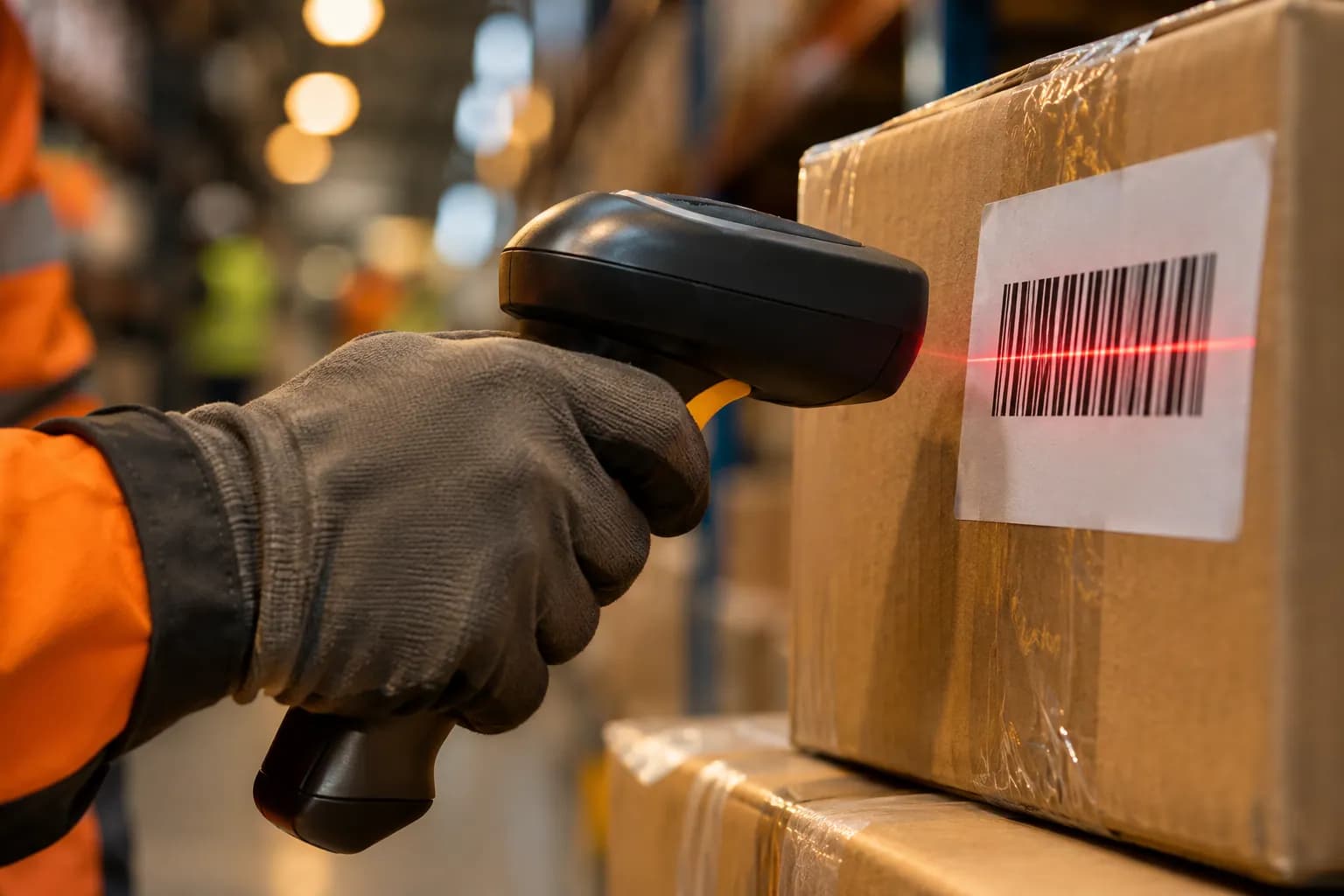
The Situation
The commercial result of a store is shaped after checkout, where orders, stock and accounts come together. Connecting them removes retyping, delay and opportunities for error, and gives customers a clear view of where their orders stand. The visible storefront is one part of the system, and the connections behind it determine how well it performs.
Our Approach
We start with what happens after the order, and most stores begin on an established platform, with custom work reserved for what the platform cannot do. We connect payments, couriers, stock and your accounting system according to what each one allows. The measure of the work is that an order passes through the business without manual effort.
What We Deliver
From Storefront to Fulfilled Order
How We Engage
Your First Version in Four Weeks
A first working store is in place within four weeks, and the full engagement runs to six, when it takes real orders. The additional time covers connecting payments, couriers and accounts, which must work together before the store goes live.
Configuration on Your Data
We stand up the platform and load it with data representative of your business. By the close of week one, your stakeholders are reviewing a working system.




Expected Outcomes
What Leadership Should Expect to See
Orders That Move Without Retyping
An order passes from checkout to fulfilment and accounts without manual re-entry, so your people spend their time on the exceptions that need them.
Stock Figures the Business Can Rely On
Stock and order status stay correct across the store and your other systems, which removes the repeated checking that uncertain figures require.
Customers Who Can Follow Every Order
Tracking and returns are connected to your couriers, so customers can see where an order stands without contacting your team.



Industries
Where This Work Applies
Stores must handle mobile checkout, couriers and returns together, and marketplace orders sit alongside your own, so stock has to remain correct across every channel.
Manufacturers selling to trade buyers need customer-specific catalogues, repeat orders and credit terms, connected to the stock and accounts that already run the business.
Trade buyers place repeat orders on agreed terms, so self-service ordering removes the retyping that otherwise sits between the customer and the warehouse.



Insights
Perspectives on E-Commerce Operations
Guide · 4-minute read
One Stock Figure Across Your Shop, Marketplace and Stores
ExpandOverselling across channels is rarely cured by a faster connection. One ledger, written reservation rules and a figure calculated for each channel give every order a true answer.
Guide · 4-minute read
Match Orders, Settlements and Bank Credits Every Day and the Gaps Surface Early
ExpandA bank credit rarely equals the day's sales, and most of the difference is legitimate. Daily matching of orders, settlements and credits shows the part that is not, while the evidence is fresh.
Perspective · 4-minute read
Treat Your Returns Policy as a Pricing Decision, Set by Category
ExpandA returns policy decides how much margin you give up on every order. We connect stock, couriers and accounts so each category's terms can be set on what returns really cost.
Perspective · 4-minute read
Stock You Can Trust: How We Get an ERP Right Before It Goes Live
ExpandAn ERP is only as reliable as the stock movements it receives. We close the gaps first, so your first module runs on figures your team already believes.
Perspective · 4-minute read
Trade Customers Who Order by Message Can Keep the Habit While the Order Is Captured Behind It
ExpandA trade buyer ordering by message has chosen the quickest tool. We build the order record, the buyer's own prices and the credit check behind it, so no one retypes.





Frequently Asked
Questions From Prospective Clients
Should We Build on an Established E-Commerce Platform or Commission Our Own Store?
Can the Store Connect to Our Accounting System?
Can Trade Buyers Have Their Own Catalogues, Repeat Orders and Credit Terms?
How Do Stock Figures Stay Correct Across the Store and Our Other Systems?
Can We Manage Marketplace Listings and Orders Alongside Our Own Store?
How Do Customers Find Out Where an Order Is?
When Can the Store Begin Taking Real Orders?
Explore Further
Related Services
Custom Software
Software shaped around your process, for the part of the work that off-the-shelf tools cannot handle, and owned by you.
Web Applications
Portals, dashboards and internal tools that run in any browser, with nothing to install and a record of every action.
Desktop Applications
Windows, macOS and Linux applications that work offline, reach local files and hardware, and update themselves safely.



Next Step
Book an Appointment
Arrange a complimentary 30-minute conversation, with no obligation. You will leave with a candid view on whether the initiative is worth building and, if it is, a scope and a date, with the cost worked out together on the call. Alternatively, send an enquiry and we will respond.