
Hi-Tech
A Shorter Distance From Design to Delivered Product
We link engineering, manufacturing and service data for electronics, semiconductor and network equipment companies, so that problems are found early and new products reach the market sooner.
Our Point of View
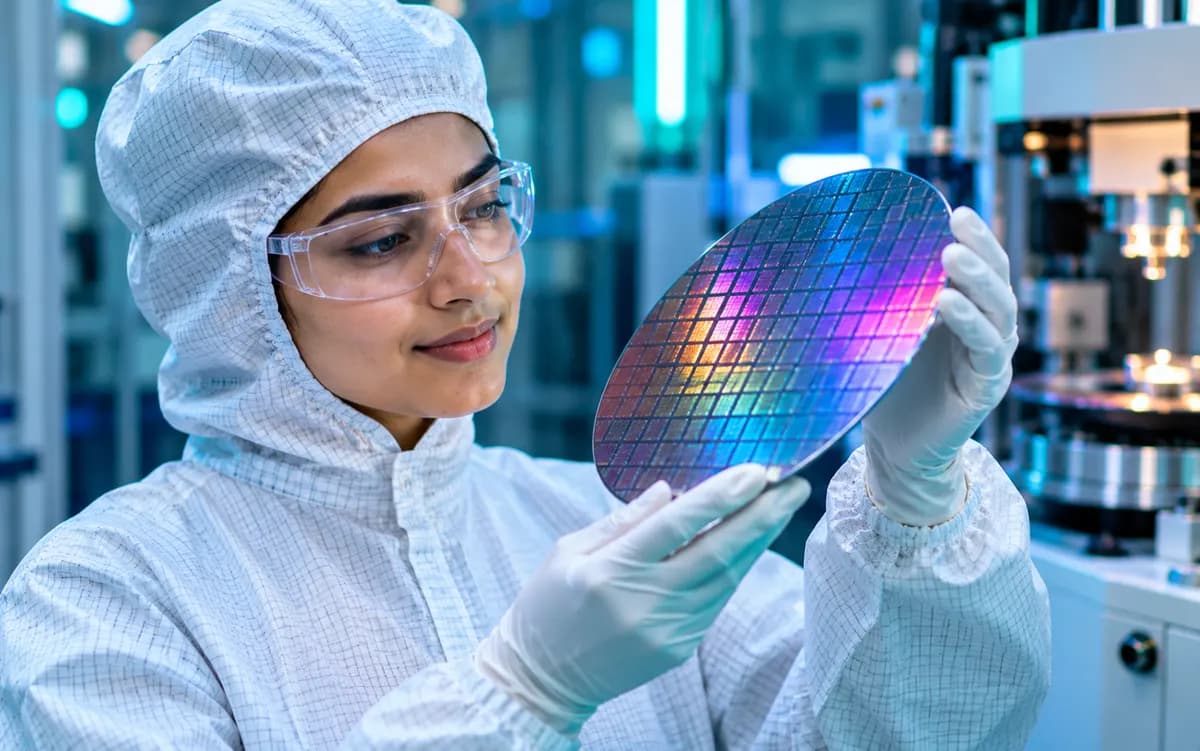
In hi-tech, a defect or shortage usually shows in the data before it reaches a customer. Linking engineering, production and field records means it is seen in time.
The Situation
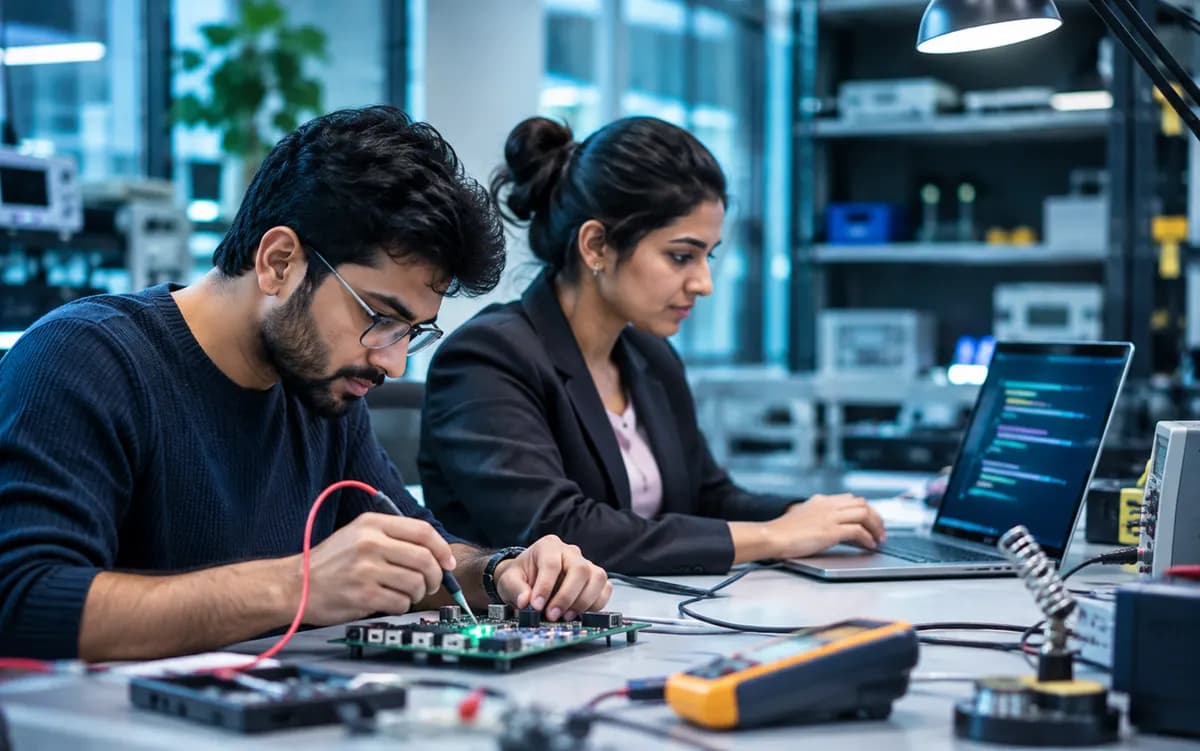
Hi-tech companies compete on speed and precision, with short product cycles and supply chains that span many countries. A single shortage or quality problem can reach customers quickly, and its cause may lie several stages earlier. Linking the records held by engineering, manufacturing and service brings that cause into view while there is still time to act.
Our Approach
We trace your most expensive recent delay to where it really began, and link the data that reveals it. Firmware, software and test engineering capacity joins your team at the pace of your release cycle, and production and field data help find the cause of defects sooner. Service teams then receive the device history, parts and guidance they need to resolve faults first time.
What We Deliver
From Design to Field Service
Expected Outcomes
What Leadership Should Expect to See
Component Risk Seen in Good Time
Component risk becomes visible early, and alternatives can be modelled before a shortage stops production or a delivery date moves.
Defect Causes Found Sooner
Production and field data are read together, so that the cause of a defect is established before the problem spreads to more customers.
Service That Resolves Faults First Time
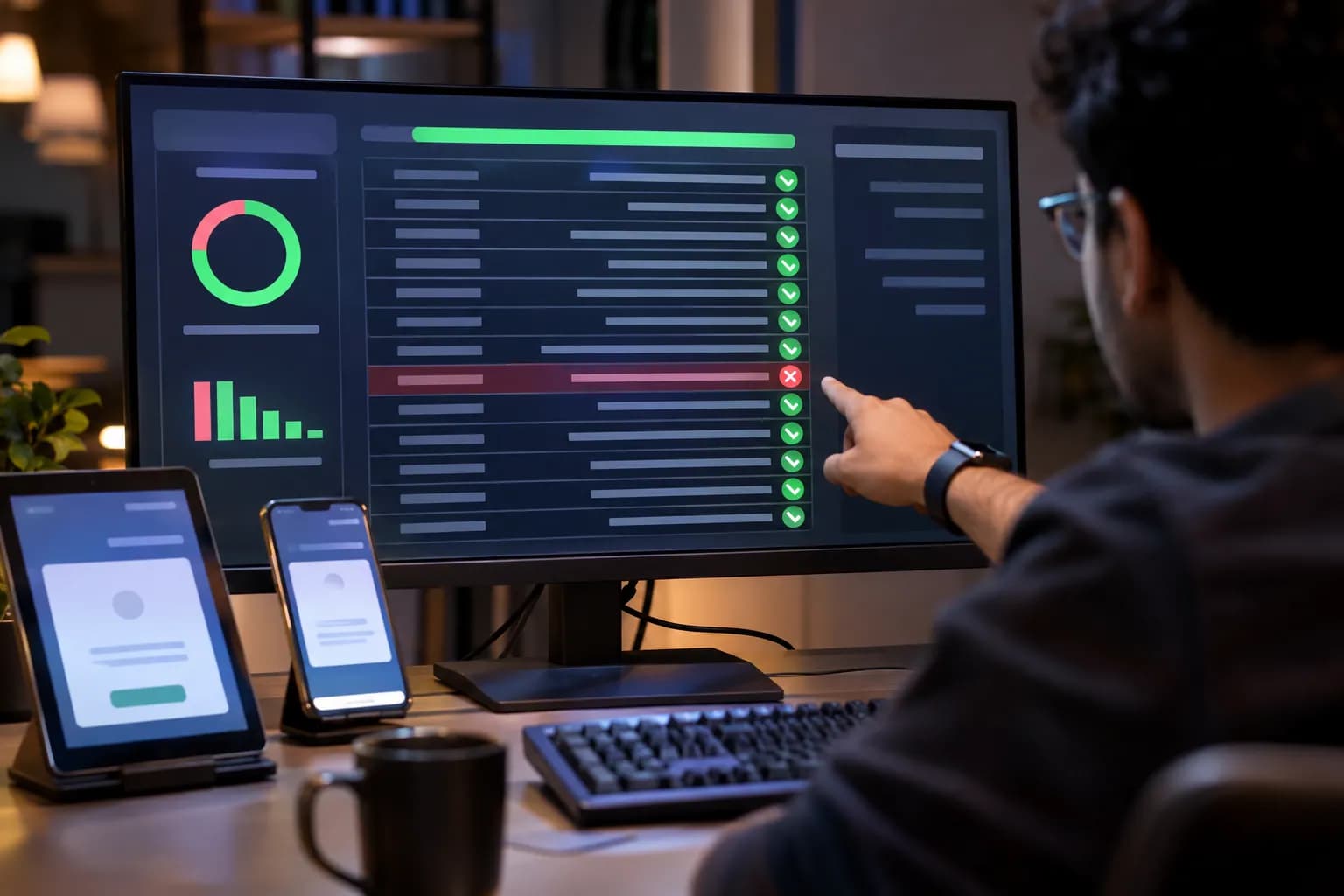
Service teams hold the device history, parts and guidance they need, which turns after-sales support into an advantage.


How We Help
Services for This Sector
Engineering
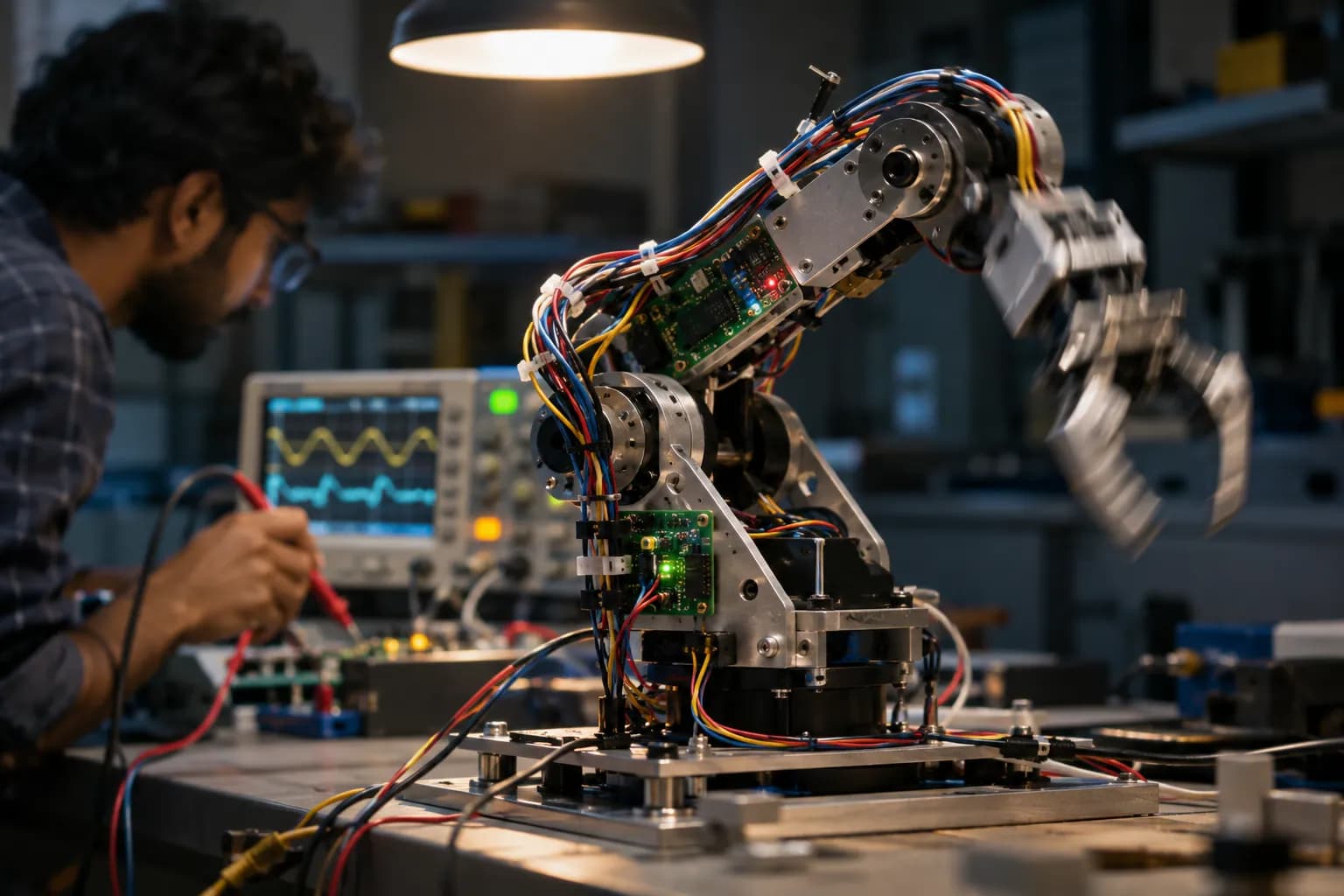
Senior engineering that joins your team to design, build and improve software products and connected devices.
Data and Analytics
Agreed definitions, one source for the figures and reporting refreshed on a schedule, so that decisions rest on numbers the business accepts.
Cloud
Migration and modernisation for a stated reason, with security in place from the first day and a bill that can be explained.
AI and Automation
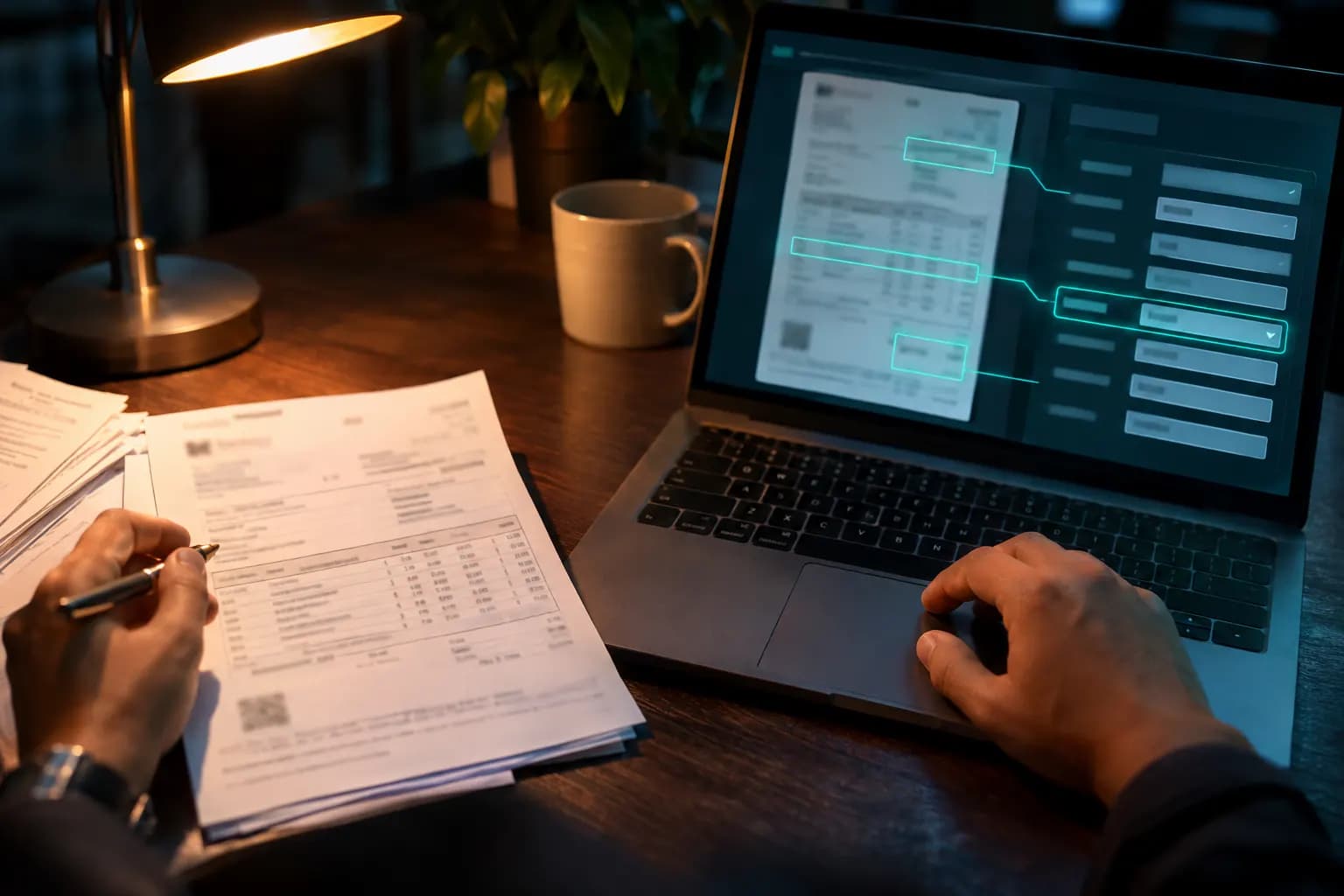
Applied AI for document processing, knowledge and workflow, measured on your own records before it reaches production.
Applications
A considered view of the application portfolio, modernised in stages, connected properly and kept running well.



Insights
Perspectives on Hi-Tech
Perspective · 4-minute read
Give Every Device a Service Record and After-Sales Becomes a Reason to Buy
ExpandA hardware brand is judged when a product fails. We help you hold warranty, repairs and parts against each serial number, and keep those systems supported for the long term.
Guide · 4-minute read
Decide Build or Buy on Ownership and Fit, and Let Cost Come Last
ExpandA cost spreadsheet hides the decisions that matter. We help you settle fit, pace of change and ownership first, then build the part that is yours and buy the rest.
Guide · 5-minute read
Choose the Browser by Default, and Desktop When a Named Need Requires It
ExpandHardware, local files and offline work decide the question better than taste. When a task needs the machine, we build desktop software that updates itself safely.
Guide · 4-minute read
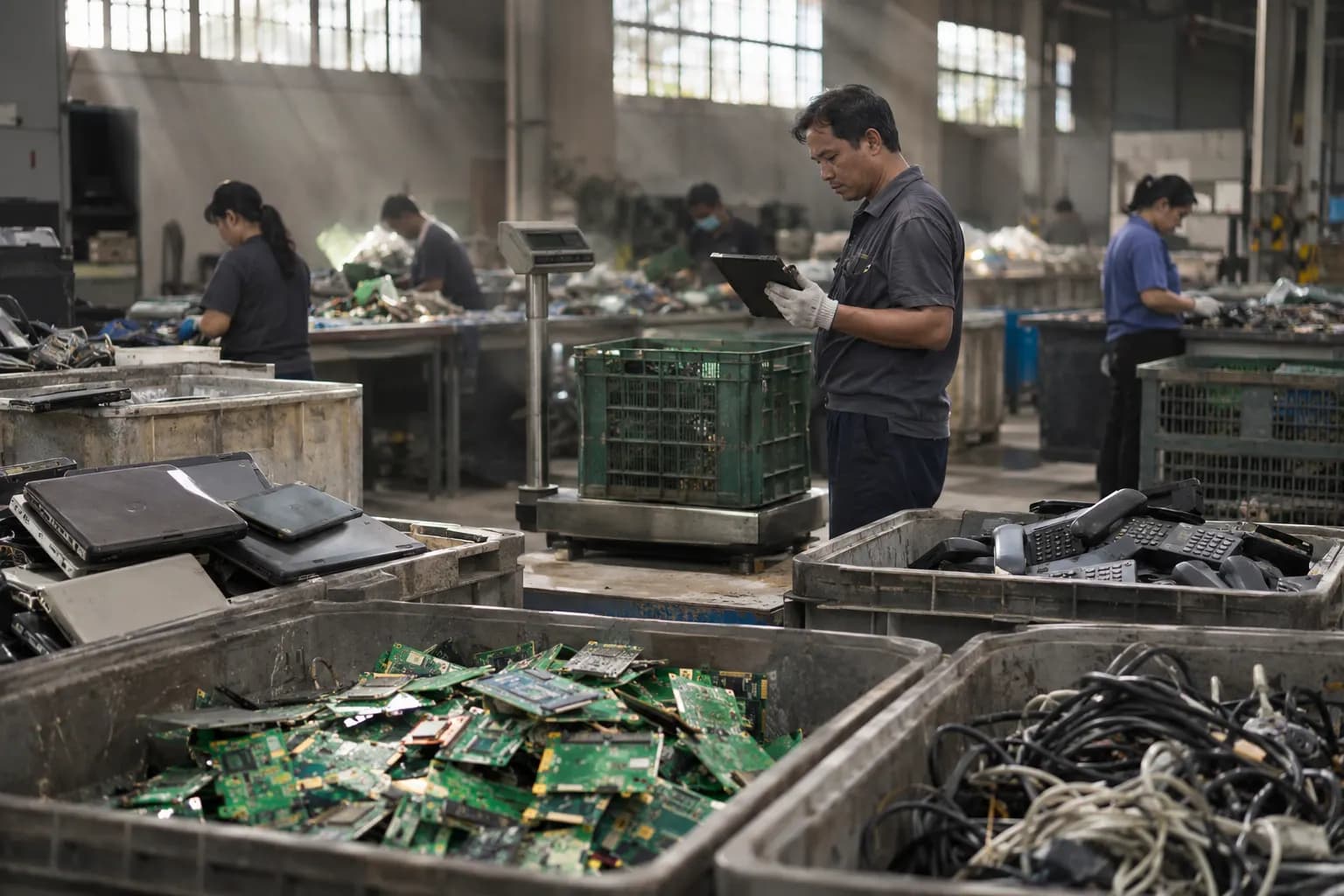
Treat E-Waste as a Data Obligation and Every Figure in Your Return Can Be Traced
ExpandAn e-waste obligation is calculated from your product and sales records. We map the products, fix the weights and link every figure to its source, so your return can be followed back.
Guide · 4-minute read
Design the Update Path First and Every Later Firmware Release Is Safer to Ship
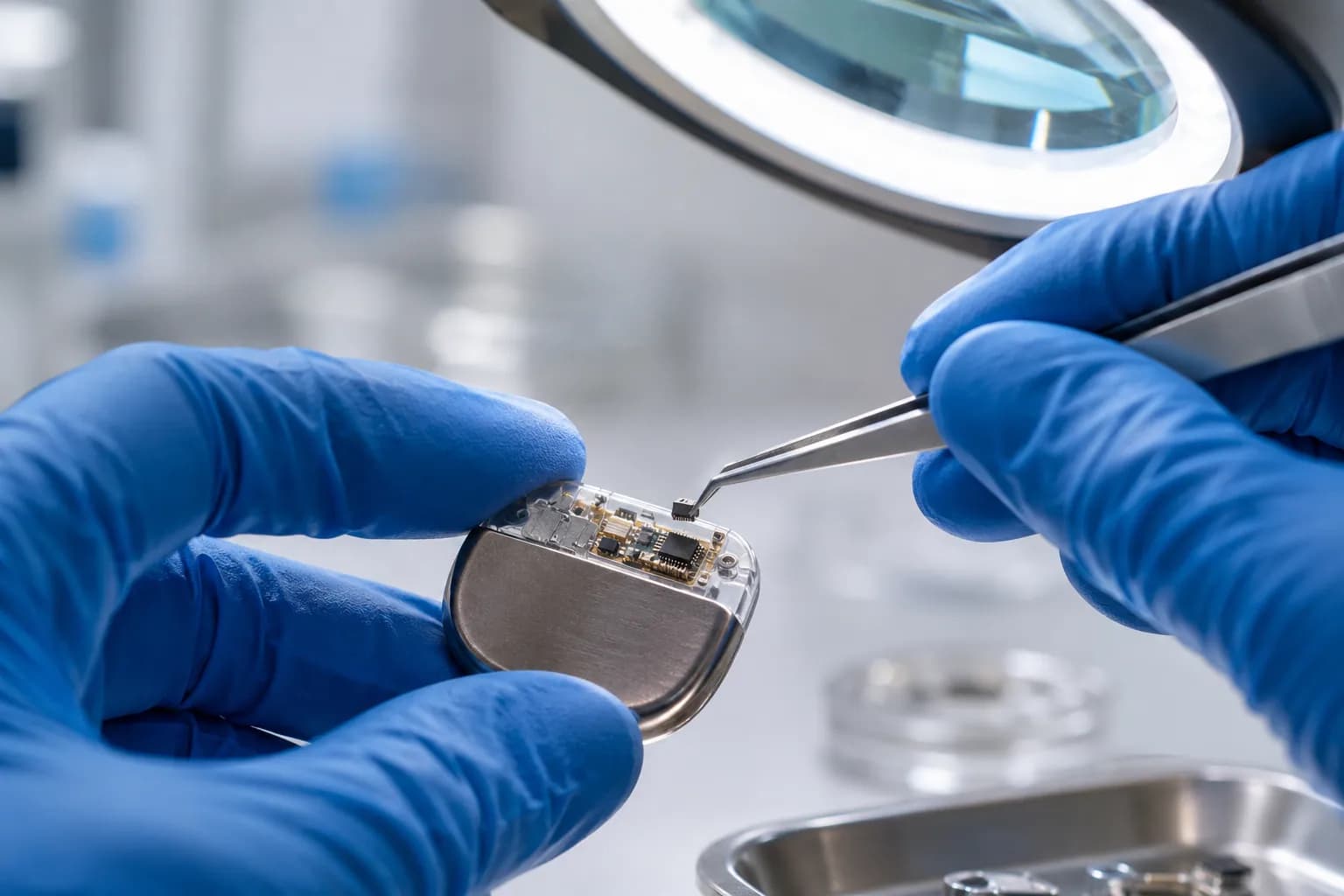
ExpandThe update mechanism is the one part of a connected product that cannot repair itself. We design it to survive power loss and a bad image, with your engineers reviewing every step.
Perspective · 4-minute read
Plan Around the Parts You Cannot Replace, and the Rest of the Bill Follows
ExpandAn ERP plan treats a single-source part as one line among thousands. We record which parts cannot be replaced, so the plan is built around them.
Perspective · 4-minute read
Engineers Keep Desktop Tools for Sound Reasons, and We Build Desktop Software That Earns Them
ExpandEngineers stay on the desktop because the work is attached to instruments, large files and validated versions. We build software that stays local and updates itself safely.
Guide · 4-minute read
Ship an AI Feature That Stays Dependable When Real People Use It
ExpandA feature that impressed in a review can behave differently when the model is wrong or one account uses it heavily. We build quality, permissions and cost in from the first day.




Frequently Asked
Questions From Prospective Clients
Can You Add Firmware and Test Engineering Capacity Without Slowing Our Release Cycle?
Who Owns the Firmware and Device Software Your Engineers Write?
Do You Build the Cloud Services Behind Our Connected Devices as Well as the Device Software?
Can Production and Field Data Be Linked to Find the Cause of a Defect?
Can Component Risk Be Modelled Before a Shortage Stops Production?
What Would a Service Engineer See About a Device in the Field?
Next Step
Book an Appointment
Tell us the delay that cost you most last year. In thirty minutes we will trace where it really began.