
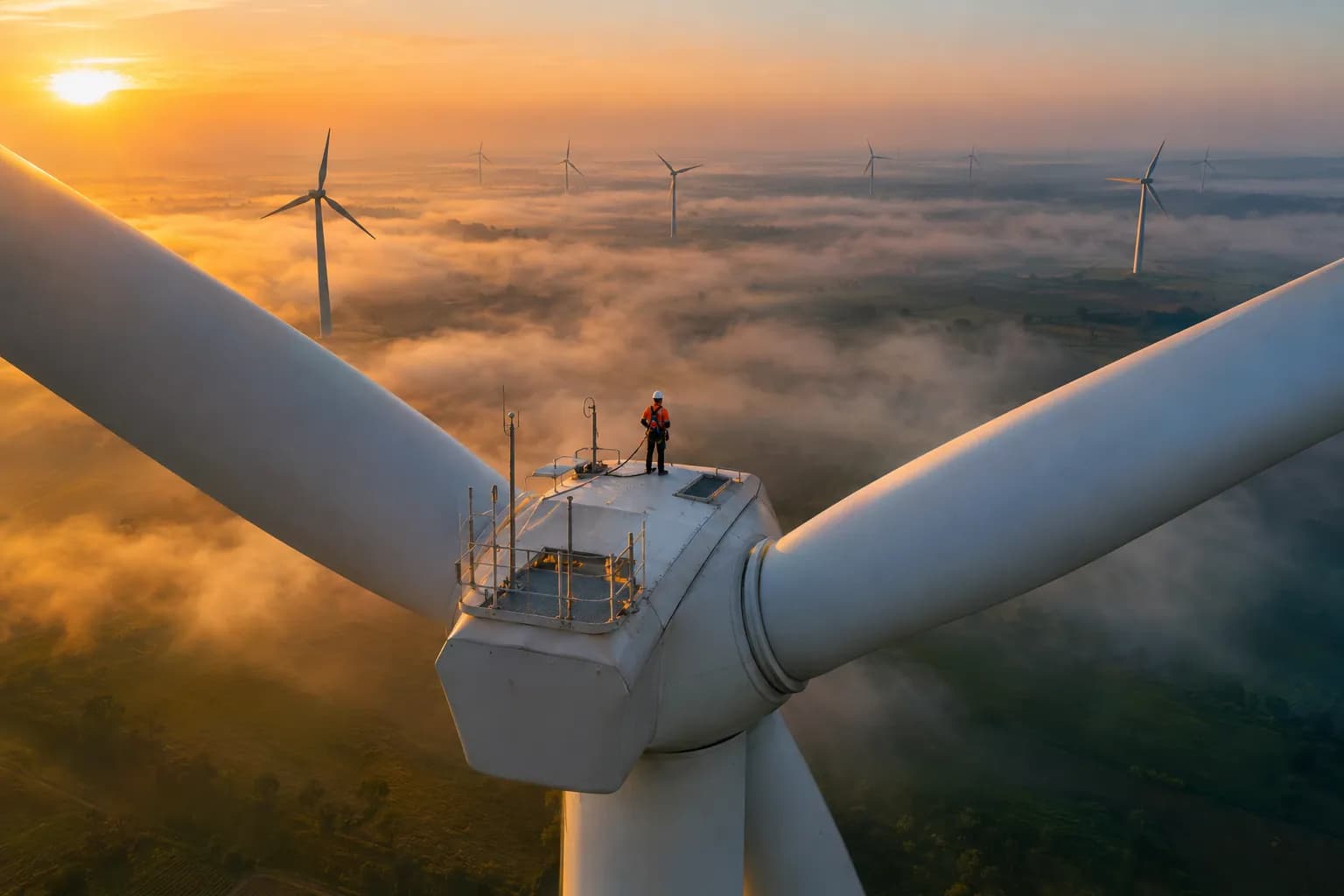
Energy, Manufacturing and Resources
Connecting the Plant Floor to the Decisions That Depend on It
We connect plant, field and office systems for manufacturers, energy, utilities, natural resources and construction businesses, so that problems are seen early and addressed with facts.
Our Point of View
A plant's data earns its value on the route from the machine to the person deciding this shift, so we start with the decision you want to improve.

The Situation
Physical operations generate large quantities of data, and it creates the most value in the hands of the people making decisions. Margins depend on uptime, yield and safety, so a shortage, a failing asset or a costing error is worth catching before it interrupts production. Customers and regulators also ask for evidence on sustainability, which is far easier to produce from connected records across sites.
Our Approach
We begin with the figure someone wants to see every morning, and work back to the systems that hold it. Plant, field and office systems are then connected, with a written definition for each number, so that yield, downtime and stock are trusted across shifts. Inspection, permit and emissions records follow the same approach, remaining complete and traceable to their source.
What We Deliver
From Machine Data to Informed Decisions
Expected Outcomes
What Leadership Should Expect to See
Production Visible Every Shift
Machine and production data are brought together, so that yield and downtime are seen during the shift.
Shortages Seen Before They Stop the Line
Orders, stock and vendor risk are visible in one place, which allows purchasing to act before a missing part interrupts production.
Records That Withstand Scrutiny
Inspections, permits, incidents and emissions are kept complete and current, so that an auditor or customer can follow each figure back to its source.
How We Help
Services for This Sector
Engineering
Senior engineering that joins your team to design, build and improve software products and connected devices.
Applications
A considered view of the application portfolio, modernised in stages, connected properly and kept running well.
Data and Analytics
Agreed definitions, one source for the figures and reporting refreshed on a schedule, so that decisions rest on numbers the business accepts.
Sustainability
A footprint measured with data you can defend, reported clearly and reduced where the evidence shows it counts.
AI and Automation
Applied AI for document processing, knowledge and workflow, measured on your own records before it reaches production.
Cloud
Migration and modernisation for a stated reason, with security in place from the first day and a bill that can be explained.



Insights
Perspectives on Energy, Manufacturing and Resources
Guide · 4-minute read
Treat Verified Emissions Data as an Export Asset Before Your EU Customers Ask
ExpandYour EU customers carry the CBAM duty, and the evidence sits in your plant. We build a system of record in which each figure traces to its source and method.
Guide · 4-minute read
Freeze the Estimate and Book the Floor to It, and Every Job Explains Its Own Margin
ExpandThe estimate records what you believed at quoting, and the job card records what happened. We keep both, so each difference lands with the person who can act on it.
Guide · 4-minute read
Classify Every Pay Component First, and the Labour Codes Become a Data Task You Can Finish
ExpandThe labour codes ask each pay component to sit against a statutory definition. We build the component master and the HR record behind it, so your provider's calculation starts from clean inputs.
Guide · 4-minute read
Design the Inspection Record and the Defect Closure First, Then the App
ExpandA phone checklist makes the form faster and leaves the defect waiting. We design the record and the closure first, then build an app that works wherever the round goes.
Perspective · 4-minute read
Be Able to Show Within Hours That the Plant Is Safe to Keep Running
ExpandJoining plant and office networks is now routine. We rank what matters most, record every connection and rehearse the morning of an incident, so the decision to keep running rests on evidence.
Perspective · 4-minute read
Predictive Maintenance Starts With a Failure History Your Plant Can Trust
ExpandA model can only anticipate failures that have been described. We test your records first, so the first AI feature is built on a history that supports it.
Guide · 4-minute read
Keep Most Spreadsheets, and Replace the Few That Have Become Systems With One Focused Application
ExpandA spreadsheet becomes a system when other people act on its output without being able to check it. Most files can stay, and we replace the few that carry weight with one focused application.
Perspective · 4-minute read
Stock You Can Trust: How We Get an ERP Right Before It Goes Live
ExpandAn ERP is only as reliable as the stock movements it receives. We close the gaps first, so your first module runs on figures your team already believes.




Frequently Asked
Questions From Prospective Clients
Will Production Stop While Plant and Office Systems Are Being Connected?
Can We See What a Job Is Costing While It Is Still on the Line?
Must We Replace Tally, Zoho or Our Spreadsheets Before Plant Data Can Be Connected?
Can Maintenance Be Planned From Actual Equipment Condition Rather Than Fixed Intervals?
Will Emissions Measured by Site Support Our BRSR Report?
Can Inspection, Permit and Incident Records Be Made Easy to Audit?
Next Step
Book an Appointment
Tell us the figure you would most like to see every morning. In thirty minutes we will show you what it would take.