

Custom Software
Software Built Around How Your Business Actually Works
We build only what a product cannot do for you, keep the first version small enough to use quickly, and hand over the code and documentation for you to own.
Our Point of View
Build custom software for the part of the work that makes your business different, and buy the rest. A small first version puts that value in your hands quickly.

The Situation
Off-the-shelf tools are designed to fit the average company, so the part of the work that makes an organisation different tends to end up in spreadsheets and workarounds. Custom software closes that gap when it is tightly scoped and built around real daily work, giving your distinctive work a system designed for it.
Our Approach
We begin by mapping the process with the people who perform it, then agree in writing what the first version must do. Software is delivered in short cycles, so that progress is visible and direction can change early. Testing uses your real scenarios and data, and the code sits in your own repository from the start, with documentation your team can continue from.
What We Deliver
From Spreadsheets and Workarounds to Software You Own
How We Engage
Your First Version in Four Weeks
A first working version of a defined scope arrives within four weeks, and the full engagement runs to eight. Work that must start from nothing is delivered in stages to its own date, which we confirm during scoping.
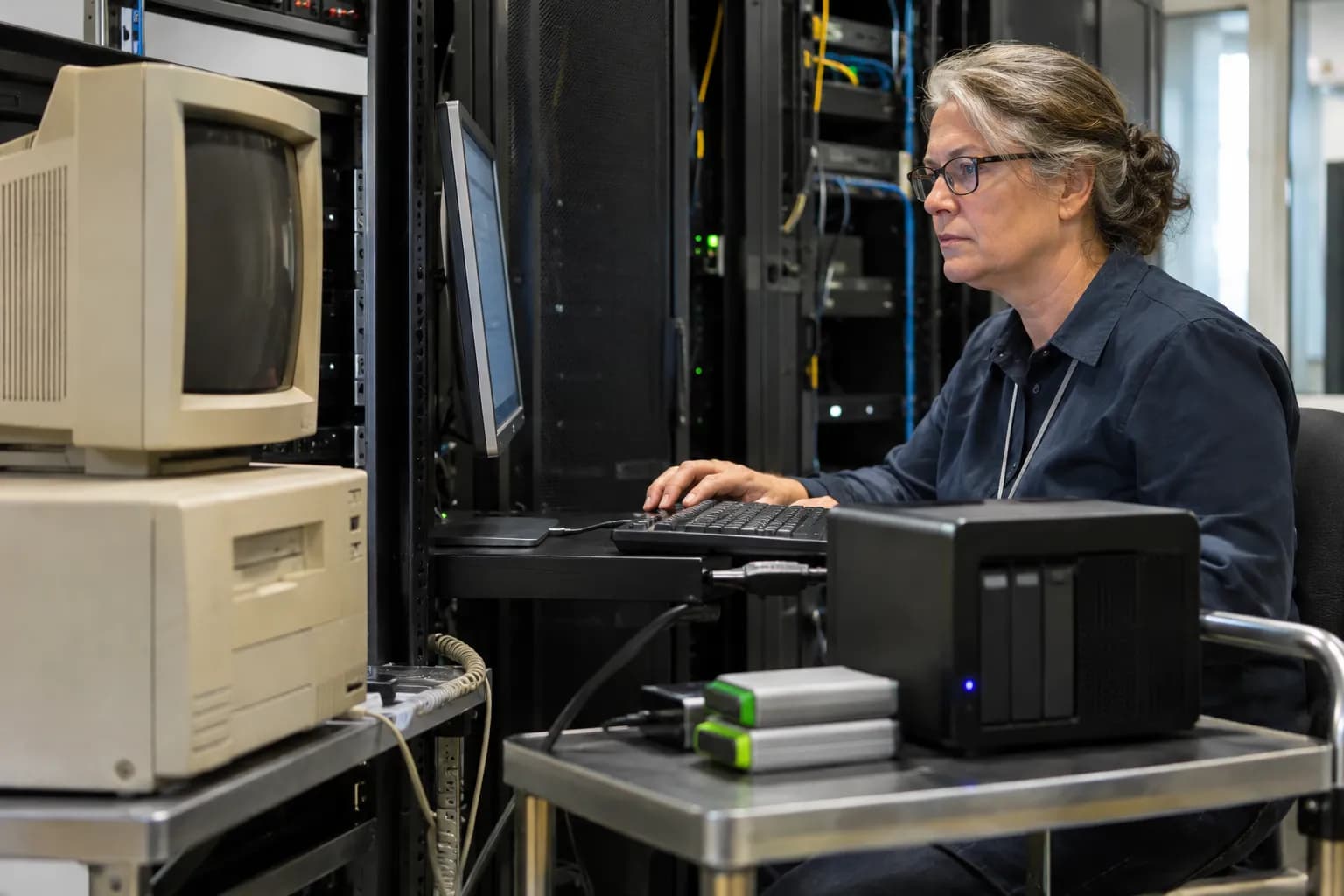
Configuration on Your Data
We stand up the platform and load it with data representative of your business. By the close of week one, your stakeholders are reviewing a working system.



Expected Outcomes
What Leadership Should Expect to See
Distinctive Work Brought Into One System
The part of the business that lived in spreadsheets and workarounds moves into software designed for it, tested against your real scenarios.
Progress Leadership Can See and Steer
Working software arrives in short cycles, so that progress can be judged from what runs, and direction can change before the cost of changing it rises.
Ownership That Remains With You
The code and documentation belong to you, so that moving to your own team or another supplier is a straightforward handover.


Industries
Where This Work Applies
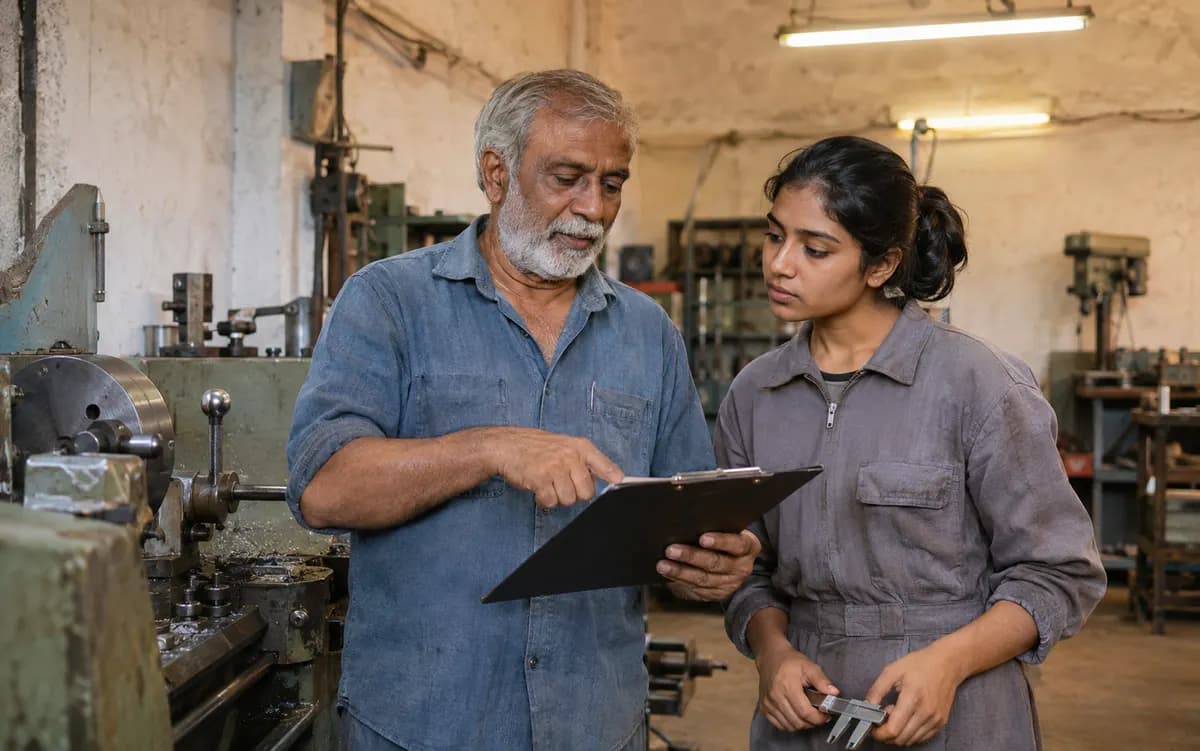
Job tracking, shop-floor records and costing that no standard product handles move out of spreadsheets into software built around the way the plant runs.
Administrative processes specific to a provider are mapped with the staff performing them, then tested against real scenarios before they are rolled out.
Distinctive order, pricing or fulfilment rules sit alongside the standard products retailers already buy, with custom work kept to what those products cannot do.


Insights
Perspectives on Custom Software
Guide · 4-minute read
Decide Build or Buy on Ownership and Fit, and Let Cost Come Last
ExpandA cost spreadsheet hides the decisions that matter. We help you settle fit, pace of change and ownership first, then build the part that is yours and buy the rest.
Perspective · 5-minute read
Build the Reason for Every Public Decision Into the Case System
ExpandPublic bodies often reconstruct their reasons only when challenged. We build the case system so a decision cannot be finalised without its reason, authority and evidence.
Perspective · 5-minute read
Build the Design History File From the Records Your Engineers Already Create
ExpandA design file assembled before an audit describes work after the fact. Built from engineering and test records, it stays current and needs far less chasing.
Guide · 4-minute read
Freeze the Estimate and Book the Floor to It, and Every Job Explains Its Own Margin
ExpandThe estimate records what you believed at quoting, and the job card records what happened. We keep both, so each difference lands with the person who can act on it.
Perspective · 4-minute read
Build Named Sign-in Into the Software, So Every GMP Record Shows Who Made It
ExpandA shared login means a GMP record cannot say who made it. We treat it as a design question, and build named sign-in into the first version so the easy way to work is the attributable one.
Perspective · 4-minute read
Engineers Keep Desktop Tools for Sound Reasons, and We Build Desktop Software That Earns Them
ExpandEngineers stay on the desktop because the work is attached to instruments, large files and validated versions. We build software that stays local and updates itself safely.
Guide · 4-minute read
Software or AI: Four Tests We Apply Before Recommending Either
ExpandMuch of what is proposed as AI would be cheaper and more dependable as conventional software. We put each proposal through four tests on your own cases before committing budget.






Frequently Asked
Questions From Prospective Clients
Which of Our Spreadsheets Should Actually Become Custom Software?
Should We Build or Buy for This Process?
How Small Should the First Version of a Custom System Be?
Can Custom Software Really Reach a First Working Version in Four Weeks?
Will the System Need Rewriting as Our Process Changes?
Can We Change What the Software Does Once the Build Has Started?
Who Holds the Source Code and the Repository Once the Build Is Finished?
Explore Further
Related Services
Web Applications
Portals, dashboards and internal tools that run in any browser, with nothing to install and a record of every action.
Desktop Applications
Windows, macOS and Linux applications that work offline, reach local files and hardware, and update themselves safely.
Mobile Apps
One app for iPhone and Android, for people working away from a desk, on the same system as your other software, with or without signal.


Next Step
Book an Appointment
Arrange a complimentary 30-minute conversation, with no obligation. You will leave with a candid view on whether the initiative is worth building and, if it is, a scope and a date, with the cost worked out together on the call. Alternatively, send an enquiry and we will respond.