

Development
Software That Runs Your Business
Custom applications and business systems, built from foundations already in production and delivered on your own infrastructure.
Our Point of View
Starting from systems already in production returns months of early decision-making to your business.

The Situation
Architecture, identity and deployment are the decisions that shape a software project most, and the most expensive to reverse. They deserve careful thought, and they account for much of the time a new build takes to reach the people who will use it.
Our Approach
We have already made those decisions and run them in production ourselves. What remains is fitting the system to how your organisation works: your data, your approvals and the software you already rely on, all within a scope agreed in writing before work begins.
Services
What We Build
Custom Software
Software shaped around your process, for the part of the work that off-the-shelf tools cannot handle, and owned by you.
Web Applications
Portals, dashboards and internal tools that run in any browser, with nothing to install and a record of every action.
Desktop Applications
Windows, macOS and Linux applications that work offline, reach local files and hardware, and update themselves safely.
Mobile Apps
One app for iPhone and Android, for people working away from a desk, on the same system as your other software, with or without signal.
Website Development
Fast, clear websites built so that search engines and AI assistants both understand your organisation.
AI Applications
Assistants and agents built on your own data, with quality and cost measured before they reach production.
SaaS Platforms
Accounts, teams, billing and admin tools, built so that you can launch a real subscription product and own what you launch.
E-Commerce
Storefronts and B2B ordering connected to your payments, stock, shipping and accounts, so that orders move without retyping.
ERP Systems
Stock, purchasing and job costing configured around your process, with your records migrated and checked before go-live.
CRM Systems
Pipeline, contacts and follow-ups shaped around how your team actually sells, so that the forecast reflects what buyers have done.
HR Management Systems
Joining, records, leave and payroll figures on HRKit, the system that runs our own HR, fitted to your teams and policies.
Learning & Training Platforms
Courses, membership, discussions and progress on a platform already in production, with your logins and an overdue report built in.
Integration
Connections between the systems you already run, so that each fact has one owner and data is entered once.
DevOps
Automated releases, repeatable infrastructure and dependable monitoring, so that shipping software becomes routine.
Quality and Testing
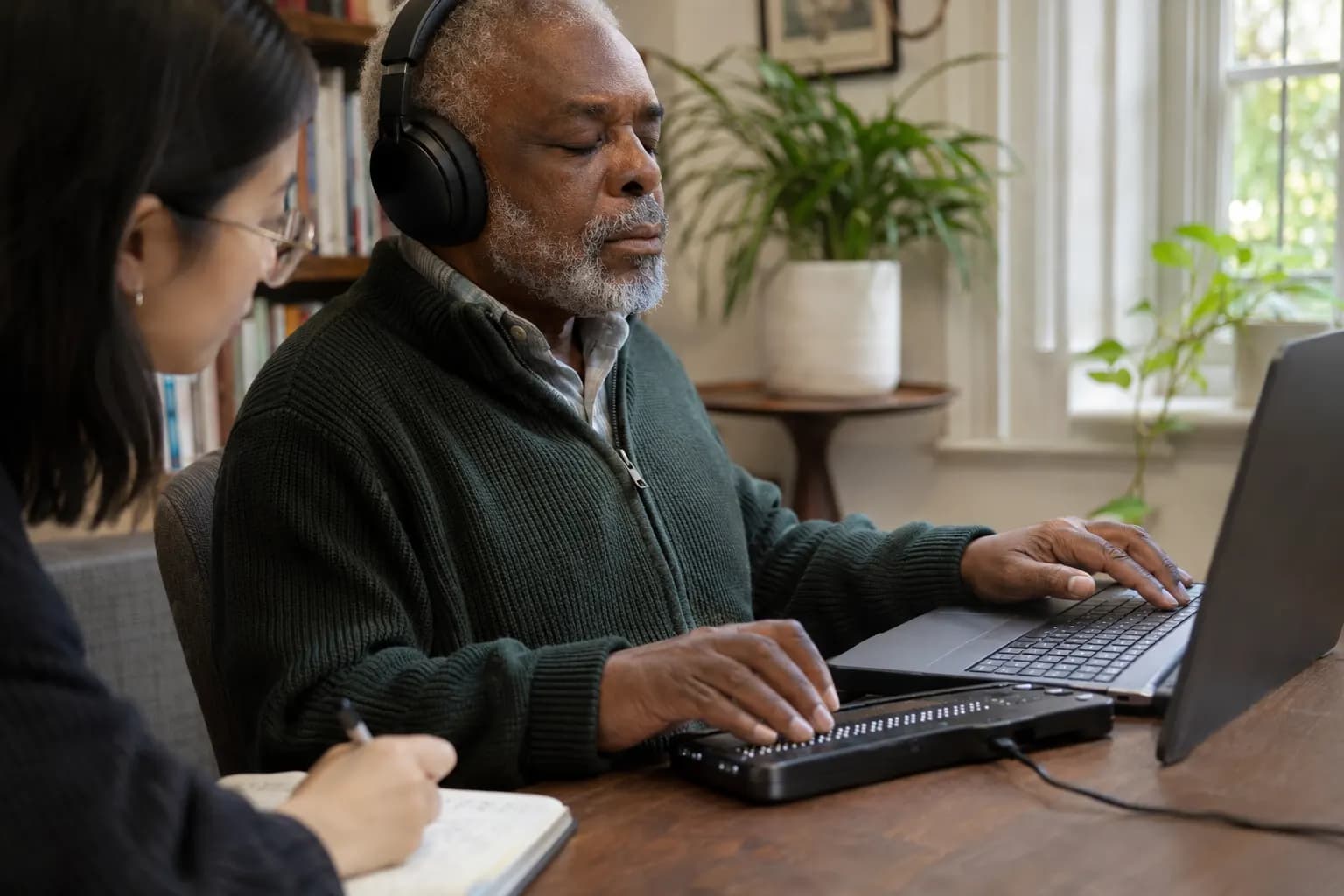
Automated tests, performance checks and accessibility reviews, built into every release and handed to your team to extend.
Support and Maintenance
Running systems kept safe and kept changing under a written agreement, by one engineer who knows your setup.















How We Engage
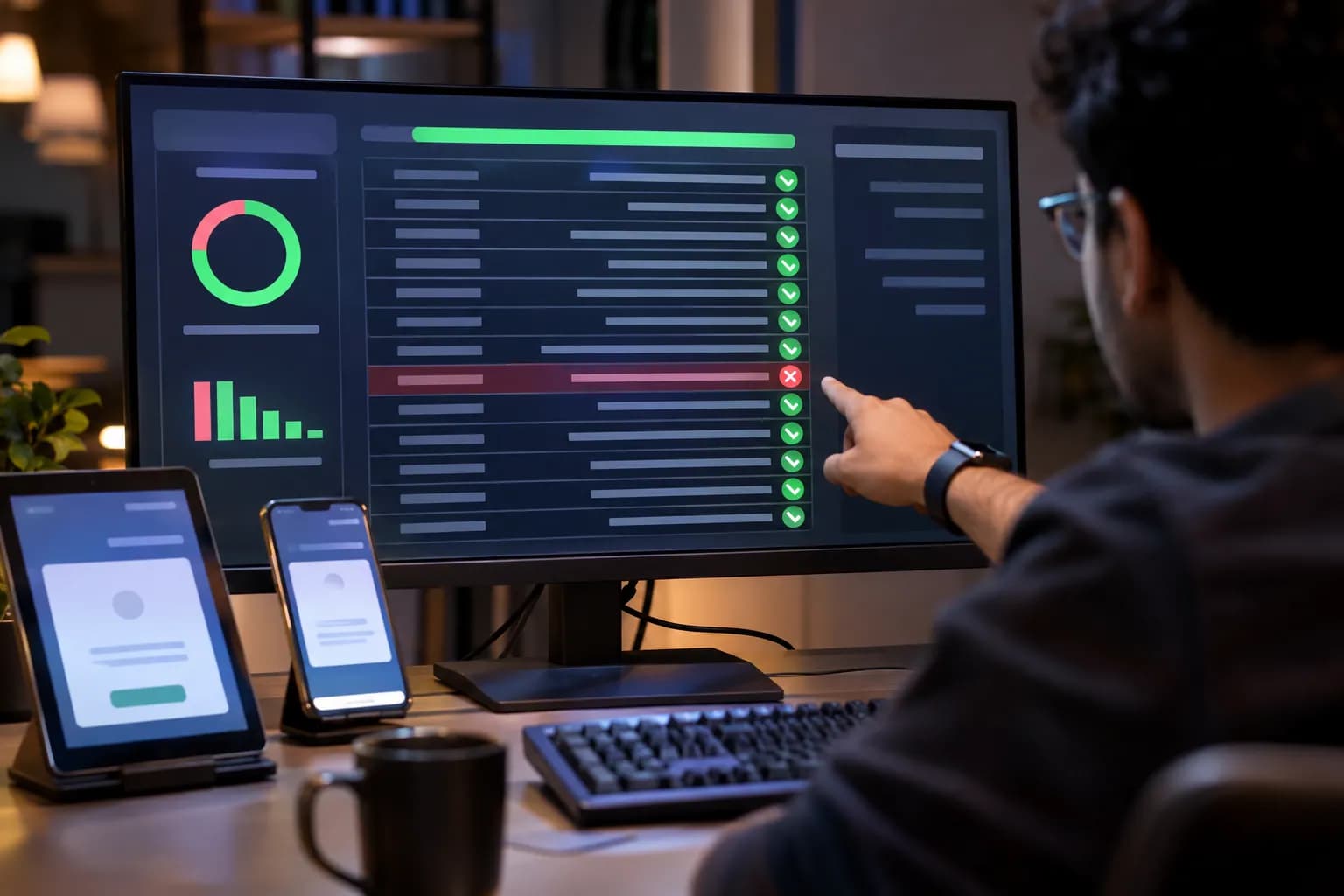
Your First Version in Four Weeks
A defined scope on an established platform reaches a first working version within four weeks. Larger engagements continue from there, to a date confirmed during scoping.
Configuration on Your Data
We stand up the platform and load it with data representative of your business. By the close of week one, your stakeholders are reviewing a working system.




Insights
Perspectives on Technology Decisions
Guide · 4-minute read
Write Accessibility Into the Tender and Every Release Can Prove It
ExpandAn audit before launch finds what was decided months earlier. We help you set the standard, the evidence and the test at the start, then check every release against them.
Perspective · 4-minute read
Give Every Device a Service Record and After-Sales Becomes a Reason to Buy
ExpandA hardware brand is judged when a product fails. We help you hold warranty, repairs and parts against each serial number, and keep those systems supported for the long term.
Perspective · 4-minute read
Match Automation in Customer Operations to the Cost of a Wrong Answer
ExpandFrequency shows where the hours are, and the cost of a wrong answer shows where automation is safe. We sort your contacts that way and build for each group.
Perspective · 4-minute read
Free Your Plan Catalogue From the Billing Core and Sell the Plans Your Market Wants
ExpandA billing system can decide which plans you sell without anyone choosing it. We map what you run, then modernise in stages so that new plans reach customers sooner.
Guide · 4-minute read
Decide Build or Buy on Ownership and Fit, and Let Cost Come Last
ExpandA cost spreadsheet hides the decisions that matter. We help you settle fit, pace of change and ownership first, then build the part that is yours and buy the rest.
Perspective · 4-minute read
Put Your Technical Documentation in the Open and Let the Buying Group Find You
ExpandA buying group is larger than the one person who fills in a form. We build the open pages technical evaluators need and record the whole group in your CRM.





Frequently Asked
Questions From Prospective Clients
How Can a First Version Arrive in Four Weeks When Comparable Builds Take Months?
Should This Be a Web, Desktop or Mobile Application?
Who Owns the Code and the Data Once the Build Is Complete?
What Happens If Our Requirements Change During the Build?
Can You Work With a System Another Supplier Built?
Next Step
Book an Appointment
Bring the process that consumes the most time, and we will establish what a first working version could cover.